


Can Silverfish Cause Property Damage?
Need Same Day Service? We Can Help.
Call Us Now at 714-992-1292.
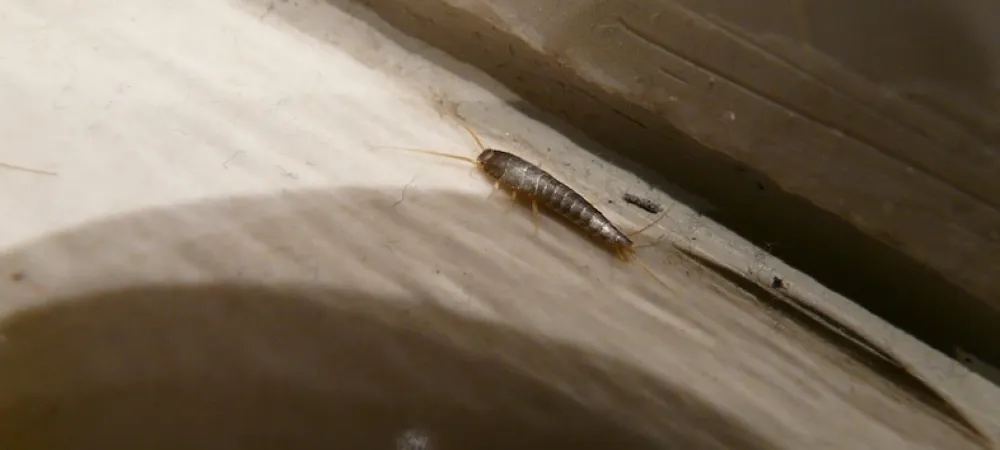
Silverfish are small, fast-moving insects that many homeowners overlook because they are not immediately harmful to people or pets. However, these pests are capable of causing real property damage over time. Their feeding habits target materials containing starches, sugars, and cellulose, which are common in homes.
Even minor infestations can lead to visible damage on walls, baseboards, and household items. Understanding what silverfish eat, where they strike, and how to protect your home can prevent costly repairs and losses.
What Silverfish Eat and Where They Damage Property
Silverfish feed on a variety of materials that contain carbohydrates, starches, or sugars. Their diet makes them a risk to both structural elements and personal belongings. Common materials they damage include:
- Wallpaper glue and painted surfaces on walls
- Cardboard, books, and important documents
- Clothing and linens containing starches
- Stored boxes of food, such as cereal or flour
- Baseboards and wooden trims where starch-based adhesives are present
They are most active in dark, humid areas such as bathrooms, kitchens, basements, and attics. Their feeding is gradual, so damage often goes unnoticed until it becomes significant.
Signs Silverfish May Be Damaging Your Property
Silverfish activity leaves clues that homeowners can use to detect damage early:
- Irregular holes or notches in paper, books, or wallpaper
- Yellowish stains or trails on walls and baseboards
- Small piles of fine, powdery droppings near feeding areas
- Damage to clothing, stored fabrics, or linens
- Thin, irregular marks along cardboard or stored boxes
Recognizing these signs early can help prevent further property loss and protect irreplaceable items.
How Silverfish Can Affect Your Home and Belongings
While silverfish do not compromise structural integrity like termites, they can still cause meaningful property damage. Their activity can ruin books, important documents, stored clothing, photographs, and pantry items.
Hidden Damage in Dark or Humid Areas
Silverfish prefer dark, humid spaces such as attics, basements, bathrooms, and closets. Damage in these areas can progress quietly, often unnoticed until holes appear in clothing or books, frass accumulates, or wallpaper and trim begin to show wear. Because infestations often start in hidden spaces, waiting to address them can allow the problem to spread to multiple areas of your home.
Moisture-Related Concerns
Silverfish thrive in environments with excess moisture. High humidity not only encourages their reproduction but can also contribute to mold growth and wood deterioration if left unchecked. Homes with leaks, poor ventilation, or damp storage areas are at particularly high risk. Ignoring the conditions that attract silverfish allows both the pests and moisture-related damage to compound over time, creating a more serious problem than homeowners often anticipate.
How Homeowners Can Prevent Silverfish Damage
Preventing silverfish damage starts with removing food and moisture sources. Store dry foods in sealed containers, limit cardboard and paper clutter, and keep books and documents in dry areas. Address leaks, improve ventilation in bathrooms and basements, and use dehumidifiers in damp spaces.
Regularly check closets, attics, and storage areas for signs of activity. Early detection and good home maintenance are the best ways to keep silverfish from causing damage.
How the bugman Can Help
At the bugman, we help homeowners identify silverfish activity and prevent property damage before it escalates. Our inspections uncover hidden infestations and high-risk areas. We create targeted treatment plans to eliminate silverfish and prevent them from returning, protecting your home, your belongings, and your peace of mind.
Don't have silverfish? Discover how other common pests can harm your home and belongings.
Frequently Asked Questions
Are silverfish dangerous to people or pets?
No. Silverfish do not bite or spread disease, so they are not a direct health threat. However, their feeding habits can cause significant property damage over time.
How can I reduce the risk of silverfish damage?
Reducing moisture, storing dry foods in sealed containers, decluttering cardboard and paper, and improving ventilation in bathrooms, basements, and attics all make your home less attractive to silverfish. Regular inspection and early detection are also key.
How quickly can silverfish damage accumulate?
Damage is usually gradual because silverfish feed slowly. However, infestations can expand over weeks or months, so early detection and intervention are important to prevent widespread property damage.
Why do silverfish prefer dark, humid areas?
Silverfish thrive in damp environments because moisture helps them survive and reproduce. Bathrooms, basements, attics, and closets provide the humidity and cover they need, which is why these areas are most vulnerable.